Survive The Slope Materials Guide
Spend Brick, Ice, and shop fuel so every purchase raises average distance—not just inventory noise.
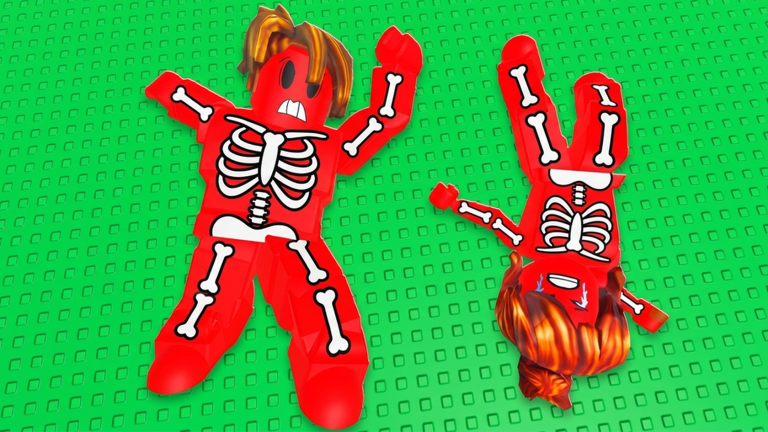
Materials sit between cash from distance and the upgrades that actually change a Survive The Slope run. You slide the mountain, dodge obstacles, protect bones, bank cash, then convert that cash into materials and power that should push the next record farther. Treat materials as progression fuel, not a collection hobby.
This page covers named materials players see in real sessions (Brick, Ice), how to think about direct buys versus gacha-style rolls, when materials deserve priority over another limb upgrade, and how shopping changed after the September 16, 2026 Items update. Pair it with the broader Upgrades framework and Bone Management so spending still serves survival.
Where materials fit in the loop
The economy is a chain:
- Distance on a clean slide
- Cash payout
- Materials / shop conversions
- Limb upgrades, Items, and other power
- Higher average distance on the next attempt
If you break every bone before cashing meaningful distance, materials never arrive. If you stockpile materials while still wiping in the opening stretch, the stockpile is cosplay. The winning habit is earn → convert → measure → earn again.
Servers cap at six players on Desktop, Mobile, and Tablet. Material plans do not care which device you use—they care whether your runs finish often enough to fund them.
Brick and Ice: what players actually see
Real gameplay names materials such as Brick and Ice. Exact rates, recipes, and shop rows can shift with patches, so this guide focuses on decision rules rather than inventing a fake catalog.
Brick
Treat Brick as a workhorse material—the kind of resource you expect to spend on core progression when the shop asks for it. When Brick is the bottleneck for a clear survivability or control purchase, spending it is usually correct. Hoarding Brick while you still die to the same early pack is how players stall for weeks.
Ice
Ice appears alongside Brick in material play. In at least one observed session, Ice felt like a weaker material relative to what the player needed—that is a player impression, not a permanent balance bible. Use it as a reminder: open the shop, compare opportunity cost, and do not assume every named material is equal.
If Ice is cheap relative to a fix you need, spend it. If Brick unlocks the upgrade that stops your #1 wipe cause and Ice does not, prioritize Brick. Re-check after patches; weak-feeling materials can become relevant when Items or costs change.
Direct buy versus gacha risk
Survive The Slope exposes a material shop and gacha-style acquisition. Both can be correct. They are not equally safe.
When a direct buy is smarter
- You know the exact bottleneck (bones, steering, early distance floor).
- The listed purchase clearly addresses that bottleneck.
- You are mid-session and need a measurable upgrade before the next farm block.
- Cash is limited and you cannot afford variance.
Direct buys are how legitimate grinders turn a plan into a result.
When rolling the gacha is a calculated risk
- Your baseline limbs and survivability are already stable.
- You have surplus cash after the next planned purchase.
- You can emotionally accept a dud roll without tilting into reckless slides.
- You are experimenting after an Items patch and can measure outcomes across several runs.
When gacha is a trap
- You are broke relative to an obvious limb or material buy.
- You are rolling to “feel lucky” after a wipe.
- You still cannot finish mid-distance runs consistently.
- Robux prompts appear because cash is short—and you were about to spend the last coins on variance instead of a sure fix.
Robux prompts can appear when cash is short. That is a UI pressure moment, not a strategy tip. The fair-play plan is: farm more distance, buy the bottleneck fix, and treat Robux as optional—never as the default answer to a bad material roll.
When materials beat another limb upgrade
Limb upgrades (Legs, Arms, Torso, Head) are the spine of long-term power. Materials still win the next purchase when:
- The next limb tier is expensive, but a cheaper material-gated Item or shop row removes your current wipe cause.
- You lack the material cost for the limb you want—so converting cash into the missing Brick/Ice (or equivalent) is the real step.
- A post-Items tool improves readability or survival more than +1 on a limb you barely feel yet.
- Your bone margin is the limiter, and the material spend buys forgiveness faster than raw limb stacking.
Rule of thumb: buy the upgrade you will feel within a few runs. If the limb you want is three farms away and a material purchase is one farm away and fixes deaths, take the material path first. Then resume limbs.
Cross-check priorities on the Tier List when you need a fast call, but always filter advice through your death log.
Post-Items shopping (September 16, 2026)
The Items update from BCH Studios (September 16, 2026) expanded what the shop can do for a run. That does not mean every new row beats Brick sinks into limbs. It means you must re-open the shop with fresh eyes.
Post-Items checklist:
- List what ended your last five runs (late dodge, bone chain, early wipe, camera, etc.).
- Scan Items and material costs for anything that attacks that failure.
- Compare that cost to the next limb upgrade tier.
- Buy one change only, then evaluate on intentional farm runs.
- Keep a mental revert: if average distance drops, stop funding the experiment.
New is not automatically better. Measurable is better.
Also skim Updates and the September 2026 Items notes when the shop layout shifts again so your material plan does not fossilize.
A practical materials session
- Two warm-up slides (Getting Started habits).
- Three repeatable farm runs on a safe line (Obstacles).
- Count cash and named materials (Brick, Ice, others on screen).
- Decide: direct bottleneck buy, material conversion, or (only if surplus) a single controlled gacha roll.
- One evaluation slide—did average comfort rise?
- Either continue farming or attempt a PB if the purchase clearly landed.
Never shop angry. Impulse rolls after a full bone wipe are how inventories empty and leaderboards stay distant.
Enchantments and materials
Enchantments exist in the loop, but public detail is thin. Do not invent names. If an enchantment row consumes materials or sits beside material costs, verify the live shop text, buy only what you understand, and measure. Materials that fund a clear limb or Item usually beat mystery enchants when you are still learning.
Common materials mistakes
- Treating Ice or Brick as “always dump” or “always hoard” without reading current costs
- Rolling gacha while a sure limb or Item purchase is affordable
- Ignoring Robux short-cash prompts as a signal you should farm, not swipe
- Copying another player’s material sink when their line skill differs
- Never re-checking the shop after Items patches
Related guides
- Upgrades — full spending framework
- Limb Upgrades — Legs, Arms, Torso, Head order
- Enchantments — verify in-shop, stay honest about unknowns
- Bone Management — why dead runs generate zero materials
- How to Play — the cash loop
- Guides Hub — full index
Materials are how Survive The Slope turns surviving the slope into staying stronger on the next slide. Spend Brick and Ice like a workshop budget: fix the break, fund the next meter, and leave gambling for surplus only.
Frequently Asked Questions
Quick answers about sliding farther, upgrades, and codes.
What materials appear in Survive The Slope?
Players see named materials such as Brick and Ice in real sessions. Exact costs and uses can change with patches, so always confirm the live shop.
Should I buy materials directly or use the gacha?
Prefer direct buys when you know your bottleneck. Use gacha only with surplus after survivability and limb priorities are covered.
When should materials come before another limb upgrade?
When a cheaper material-gated purchase fixes your current wipe cause faster than the next expensive limb tier.
Is Ice weak compared to Brick?
Some players felt Ice was weaker in a given session—that is an impression, not a permanent rule. Compare live costs and what each unlocks for your deaths.
Did the Items update change material shopping?
Yes. After September 16, 2026, re-check Items versus limb and material sinks, buy one change, and measure average distance before committing further.