Survive The Slope Upgrades Guide
Turn distance cash into materials and upgrades that raise your next run—not just your shop flex.
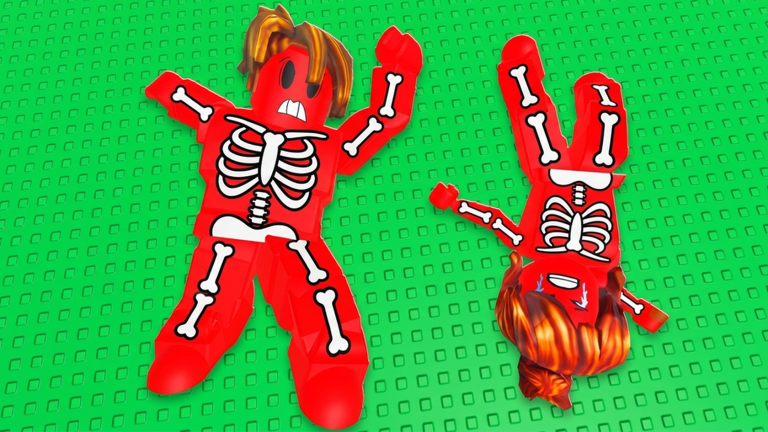
In Survive The Slope, distance pays cash, cash buys materials and upgrades, and upgrades exist for one reason: push your distance record farther without ending every attempt on broken bones. This guide covers how to think about spending, what to prioritize at each stage, and how new Items fit into a sane plan.
Read this beside How to Play and Bone Management. An upgrade that looks strong on paper still fails if your line and bone budget are broken.
Limb upgrades and materials
For deeper shopping detail, split the systems:
- Limb Upgrades — Legs, Arms, Torso, and Head order for legitimate grinders
- Materials — Brick, Ice, direct buy vs gacha risk, and post-Items priorities
- Enchantments — verify live shop text; do not invent names
Use this page for the overall cash framework; use those children when you need the next concrete purchase.
The economy in one paragraph
You slide → you survive obstacles → you protect enough bones to finish a meaningful stretch → distance converts to cash → you buy materials / upgrades → you return to the slope stronger. Skip survival and the shop stays empty. Skip smart spending and your survival never compounds.
Cash: how to earn it efficiently
Cash scales with how far you go. That creates a simple truth: consistent mid-to-long runs usually fund upgrades faster than rare highlight reels surrounded by instant wipes.
Farming tips:
- Warm up before “money runs” so early obstacles do not delete the session.
- Choose a line you can repeat, not a circus line you survive once.
- Stop a session when fatigue makes impacts more common—repairs to pride are not paid in cash.
- After a big payout, buy with a list, not with adrenaline.
If earnings feel stuck, your bottleneck is probably survival (see Obstacles), not the shop.
Materials: why they matter
Materials sit between raw cash and lasting power. Exact material names and rates can shift with patches, so treat materials as crafting / purchase fuel for the upgrades that change run outcomes.
Good material habits:
- Do not hoard forever if a cheap upgrade clearly fixes your #1 death cause.
- Do not dump every material into cosmetics or experiments while your bone margin is still fragile.
- Re-check the shop after updates—September 16, 2026 introduced new Items that may change what is worth stocking.
When unsure, spend toward the upgrade that reduces wipes first. Dead runs generate zero materials.
Upgrade priority framework
Use this order until your average distance is stable:
1) Survivability and bone resilience
Anything that helps you absorb mistakes or reduce break severity raises your floor. A higher floor means more cash per hour and less tilt.
2) Control and readability helpers
Upgrades or Items that make steering, stability, or run tools clearer help you use your skill. Precision multiplies every other bonus.
3) Distance and cash multipliers
Once you can finish runs, scaling earnings and distance potential is correct. Doing this too early just funds faster wipes.
4) Specialty Items and experiments
After the baseline is solid, test new Items in short sessions. Keep a mental “revert” plan if an experiment tanks your consistency.
This order is intentional. Survive The Slope ends runs when bones are gone—not when your shop inventory looks incomplete.
Early game spending plan
- Complete a few clean slides using Getting Started habits.
- Buy the cheapest upgrade that clearly helps you survive longer or steer cleaner.
- Bank a small cash cushion so one bad run does not strand you.
- Repeat: survive → earn → buy the next bottleneck fix.
Avoid the trap of saving for a distant dream purchase while you still die in the opening stretch. Bridge upgrades matter.
Mid game spending plan
You are mid game when you:
- Regularly pass early hazard density
- Understand your common wipe causes
- Have a repeatable line
Now split spending:
- 60% into the stats/Items that extend average distance
- 30% into cash/distance scaling
- 10% into experiments from new updates
Adjust the mix if your data disagrees. If bones still end most runs, shift more into survivability. If you survive but earn slowly, shift into scaling.
Late game and leaderboard climbing
Late game is optimization:
- Compare upgrades by how they change successful run length, not by hype alone.
- Slot new Items only when you can measure their effect across several attempts.
- Keep a “tournament loadout” for PB pushes and a “farm loadout” if experiments are unstable.
- Watch Updates so balance or Item changes do not blindside your plan.
Leaderboard climbers treat the shop like a workshop, not a museum.
Decision checklist before every purchase
Ask:
- What failed my last five runs?
- Does this purchase reduce that failure?
- Will I still have resources for the next obvious bottleneck?
- Am I buying this because it is new, or because it is needed?
- Can I feel the difference within a few runs?
If you cannot answer (2) and (5), wait.
Common upgrade mistakes
- Impulse buying after a tilt wipe. Calm down, then spend.
- Stacking only offense/speed fantasy. Speed without bone margin is a highlight death.
- Ignoring patch notes. New Items can obsolete old assumptions.
- Copying a top player’s shop blindly. Their line skill may be carrying a build you cannot use yet.
- Never respec’ing your plan. If average distance stalls for days, change priorities.
Synergy with other systems
- Better upgrades do not replace Controls discipline.
- Bone-focused spending pairs with Bone Management habits.
- Obstacle knowledge multiplies every control upgrade—study Obstacles.
- Codes (when active) can accelerate a plan—check Codes before a long grind.
- Priority snapshots also appear on the Tier List when you need a fast call.
Example session: earn then invest
- Two warm-up slides.
- Three farm runs on a safe line.
- Count cash/materials.
- Buy one bottleneck fix only.
- One evaluation run to feel the purchase.
- Either continue farming or attempt a PB if the upgrade clearly landed.
That rhythm prevents both hoarding and panic spending.
Keep the goal visible
Every material and upgrade should answer: does this help me slide farther without snapping every bone? If the answer is no, it is entertainment—budget it like entertainment.
Return to the Guides Hub after shop changes, and re-read this page whenever a major Items update lands. The mountain stays the same fantasy; your spending plan should not stay frozen.
Frequently Asked Questions
Quick answers about sliding farther, upgrades, and codes.
How do I unlock better upgrades in Survive The Slope?
Earn cash from distance, gather materials as the shop requires, then buy upgrades that raise survivability and distance potential for future runs.
What should I buy first?
Prioritize upgrades that reduce wipeouts and improve control. Scale pure distance or cash bonuses after your average run length stabilizes.
Why am I earning cash but not progressing?
You may be spending on the wrong bottlenecks, or dying before distance compounds. Fix survival and buy upgrades that address your real failure points.
Do new Items change upgrade priority?
They can. After patches such as the September 2026 Items update, re-test priorities instead of assuming your old shopping list is still optimal.
Should I save for one expensive purchase?
Only if early sections already feel stable. Otherwise, bridge upgrades that extend average distance usually fund the expensive purchase faster.