Survive The Slope Obstacles Guide
See danger earlier, dodge with smaller inputs, and stop turning one clip into a full bone wipe.
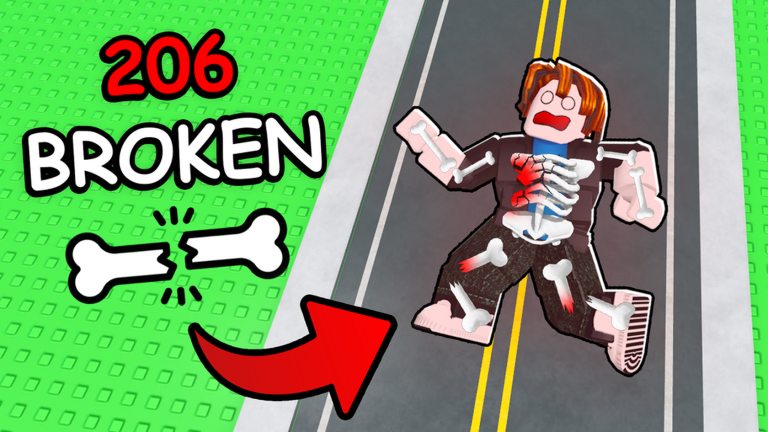
Obstacles are the mountain’s vocabulary. If you cannot read them at speed, Survive The Slope feels unfair. If you can, the same slope becomes a rhythm you can farm, optimize, and eventually climb the leaderboard on.
This guide teaches how to see, decide, and recover—not a fake catalog of every prop name. Pair it with Controls for input quality and Bone Management for what happens when you do get hit.
What obstacles are really testing
Every hazard asks three questions:
- Did you look far enough ahead?
- Did you commit to a lane early?
- Did you recover without panicking into the next hit?
Fail those and the physics will look “random.” Pass them and your average distance rises even before new upgrades.
The read-ahead rule
Your eyes should live ahead of your avatar, not on it. At low speed you can stare at your character and survive. At high speed that habit deletes reaction time.
Practice cue:
- Soft focus on the path one to two beats ahead
- Peripheral awareness of your body position
- Camera angled to support that forward view (Controls)
If you only notice a hazard when it dominates the screen, the dodge started too late—even if your fingers are fast.
Early dodge versus late dodge
Early dodge
- Small steering change
- Speed mostly preserved
- Bone risk low
- Easy to recenter
Late dodge
- Large steering yank
- Path becomes diagonal chaos
- High chance of clipping the original hazard or the next one
- Bone chips stack
Train yourself to feel late dodges as mistakes even when you “barely make it.” Barely is not a plan.
Lane philosophy on a physics slope
Think in lanes, not in continuous wiggling.
- Choose a default lane (often center-biased while learning).
- When a hazard occupies that lane, pick left or right once.
- Complete the move, neutralize input, rejoin a stable lane.
- Do not snake for style during serious runs.
Snaking creates self-made obstacles: your own bad angle.
Pack density and decision order
Hazard packs are where runs die. Use a fixed mental order:
- Survive the immediate blocker
- Protect an exit lane for the next blocker
- Only then optimize speed
Players who reverse that order (speed first) thread a needle once and wipe the next ten attempts.
When two options look equal, pick the one that leaves more open space afterward—not the one that looks cooler.
Impact triage
You will get hit. The question is whether the hit becomes a story or a wipe.
After contact:
- Stop amplifying the mistake with spam inputs.
- Stabilize facing and camera.
- Check whether bone margin still exists for hero plays.
- Take the safest available lane, even if slower.
- Rebuild speed only when the path is readable again.
This is the same recovery pattern emphasized in the controls guide, applied under obstacle pressure.
Reading the mountain’s “language”
Without spoiling every layout, watch for patterns like:
- Single gate hazards — one clear dodge; punish hesitation
- Staggered pairs — require a two-step lane plan, not one flick
- Chokepoints before open stretches — survive the choke; cash the open
- Visual noise near speed peaks — your read-ahead must work harder here
- Player clutter — with up to six players in a server, treat other bodies as moving hazards when they overlap your line
If a section repeatedly kills you, isolate it: practice until the read is boring. Boredom is mastery.
Speed gates: when to slow your ambition
Survive The Slope markets sliding “as fast as possible,” but the winners apply speed where the mountain allows it.
- Open, readable stretches: push.
- Dense, unfamiliar packs: value angle and survival.
- Low bone margin: play for finish and cash, not highlight clips.
Upgrades can raise how much speed you can afford—see Upgrades—but they do not delete the need to read.
Practice drills for obstacle mastery
Drill A — Callouts
During a run, quietly name what you see ahead (“left rock,” “gap right”). Naming forces earlier recognition.
Drill B — One-pack focus
Pick a single dense section. Restart mental focus each time you reach it until your dodge timing feels early.
Drill C — No-hero rule
For three runs, forbid stylish last-frame dodges. Only early, boring lanes allowed. Compare average distance.
Drill D — Recovery only
Intentionally play safer after any chip. Measure whether your wipe rate drops.
Linking obstacles to bones and cash
Obstacles are how bones get spent. Bones are how runs end. Runs ending early is how cash stalls. Cash stalling is how upgrades stall. That chain is why obstacle skill is progression skill—not only “mechanic skill.”
When you improve reads:
- Bone chips fall
- Average distance rises
- Shop visits become meaningful
- PB attempts start from a higher floor
Common obstacle mistakes
- Tunnel vision on your avatar
- Dodging the hazard you see while ignoring the one behind it
- Overcorrecting into walls / props after a near miss
- Treating other players as scenery instead of collision risk
- Blaming physics for a late decision
Session plan (15 minutes)
- Two warm-up slides with exaggerated early dodges
- Three runs focusing on one problem section
- One farm run using only safe lanes
- Short notes: which packs still feel unreadable?
- Optional: buy an upgrade that supports control, then retest (Upgrades)
Related guides
- Getting Started — first-hour foundation
- How to Play — where obstacle skill sits in the loop
- Controls — making dodges physically possible
- Bone Management — budgeting the cost of hits
- Guides Hub — all tutorials
The mountain does not get nicer when you get angry at it. It gets nicer when you see it earlier. Build that habit and Survive The Slope opens up.
Frequently Asked Questions
Quick answers about sliding farther, upgrades, and codes.
How do I dodge obstacles more consistently?
Look farther ahead, commit to an early lane change with small inputs, then neutralize and recenter before the next pack.
Why do I hit the next obstacle after dodging the first?
Late, oversized dodges leave you angled into the following hazard. Plan two steps ahead and avoid panic weaving.
Should I always take the fastest-looking gap?
No. Prefer the gap that leaves a clean exit lane. A slightly slower safe line often earns more distance and cash.
Do other players count as obstacles?
Treat them like moving hazards when paths overlap. Servers hold up to six players, so traffic can absolutely end a greedy line.